Storengy: Paving the way for the hydrogen market of the future
The development of hydrogen as a key driver of the energy transition presents major challenges. Among these, the ability to store hydrogen on a large scale, safely and sustainably, as well as the assessment of new potential resources such as natural hydrogen, are bringing the subsurface – and, more broadly, the geosciences – back to the forefront of discussions.
Drawing on its long history of experience, Storengy is exploring these issues through a number of projects, building on a common foundation: in-depth knowledge of the subsurface and the long-term approach – specific to its development – from exploration to production.
Underground storage: an activity based on geosciences, process expertise and the management of industrial risks
A key player in underground gas storage for 70 years, Storengy, a subsidiary of ENGIE, is one of the world’s leading companies in the sector, with 21 sites in France, Germany and the United Kingdom.
Storengy develops and operates three types of storage: in salt caverns, aquifers and depleted reservoirs, each suited to different uses and geological contexts. These facilities enable the energy system’s needs for modulation and flexibility to be met and are essential to security of supply, particularly in the event of severe weather events or major energy crises.
In addition to its expertise in subsurface resources, the ability to design and operate surface facilities (compression, processing) is a major asset for the performance of Storengy’s operations. Similarly, managing the industrial risks associated with storage sites is essential for the safety of people and strategic infrastructure. Finally, reducing the environmental footprint of its operations and ensuring their strong regional roots remain ongoing priorities.
This experience now provides a solid foundation for tackling both hydrogen storage and the assessment of the potential of hydrogen naturally present in the subsurface.
Underground hydrogen storage: a key building block for the development of a hydrogen market
The growth of the hydrogen market depends on the roll-out of infrastructure capable of efficiently linking production sites to consumption areas. In particular, it requires the development of storage solutions capable of absorbing large volumes of energy and providing the flexibility essential to the balance of the energy system.
In this context, salt caverns offer decisive advantages: the natural impermeability of salt, particularly favourable mechanical properties, and the ability to withstand rapid injection and withdrawal cycles.
HyPSTER and FrHyGe: demonstration projects for large-scale hydrogen storage
Preparations for the development of tomorrow’s hydrogen storage solutions are already underway through projects being carried out in existing salt caverns. These initiatives form part of industrial partnerships and receive European funding, in line with the roll-out of the European Hydrogen Backbone.
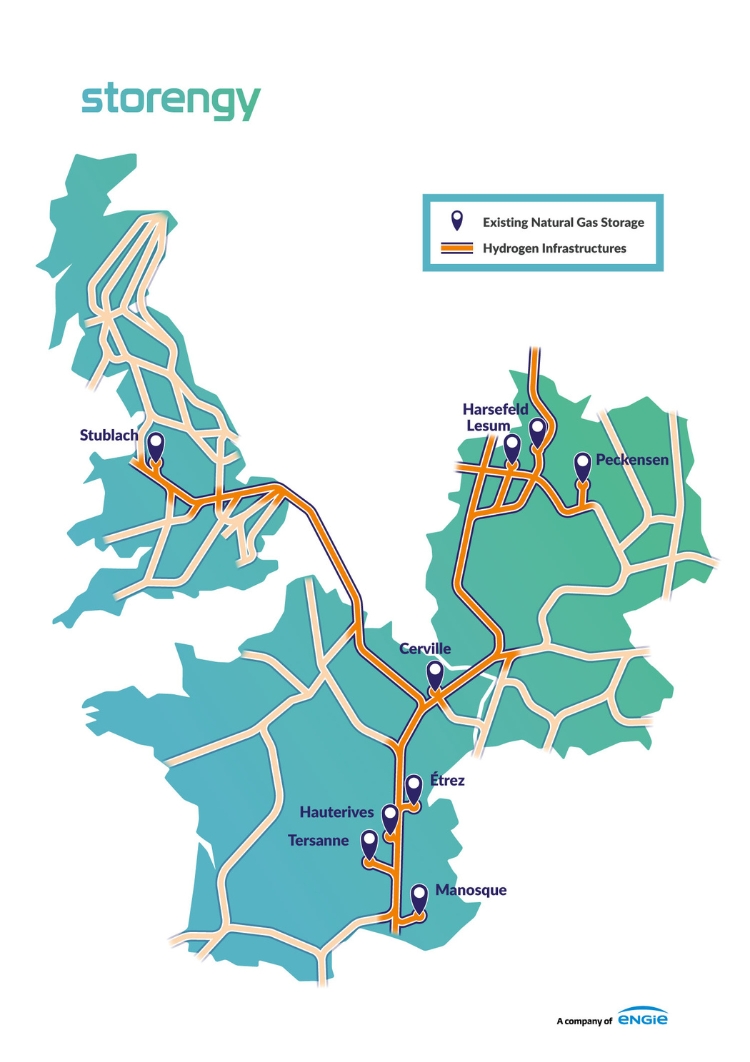
Figure 1 – Storengy’s storage sites along the European backbone route
The HyPSTER (Storengy’s site at Etrez) and FrHyGe (Géométhane’s site at Manosque, a 50 per cent subsidiary of Storengy) projects are part of this initiative. They provide feedback from industrial-scale operations on:
• the thermodynamic behaviour of fluids during cycling;
• the geomechanics of cavities subjected to hydrogen cycling;
• the operational and safety conditions associated with hydrogen;
• underground production and surface processing equipment adapted to the characteristics of hydrogen.
These projects contribute to the acquisition of the knowledge and skills required for larger-scale deployment. They enable the establishment of technical standards for the design of facilities, equipment specifications, and the operating and safety conditions of future hydrogen storage infrastructure.
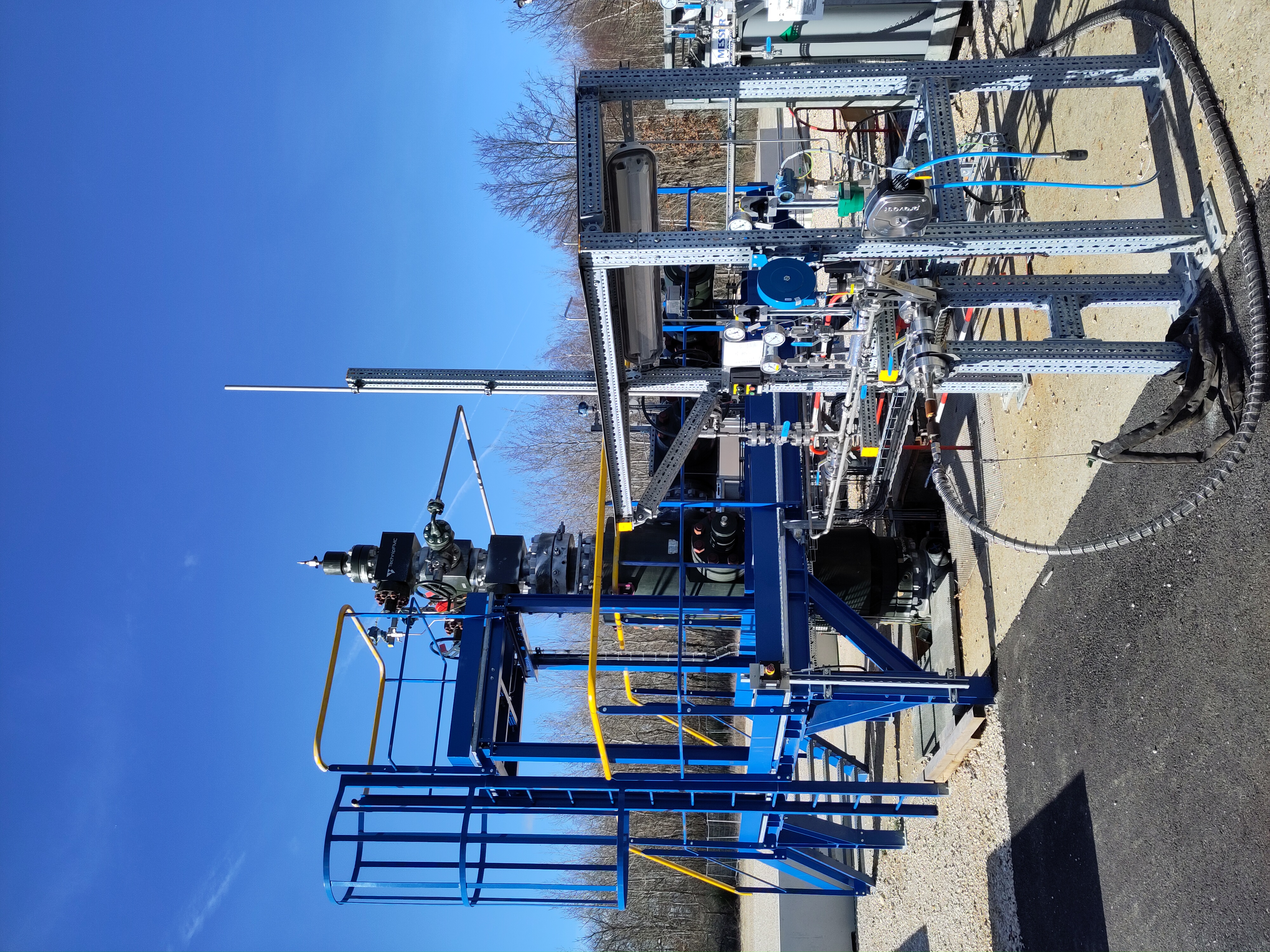
Figure 2 – HyPSTER: hydrogen wellhead
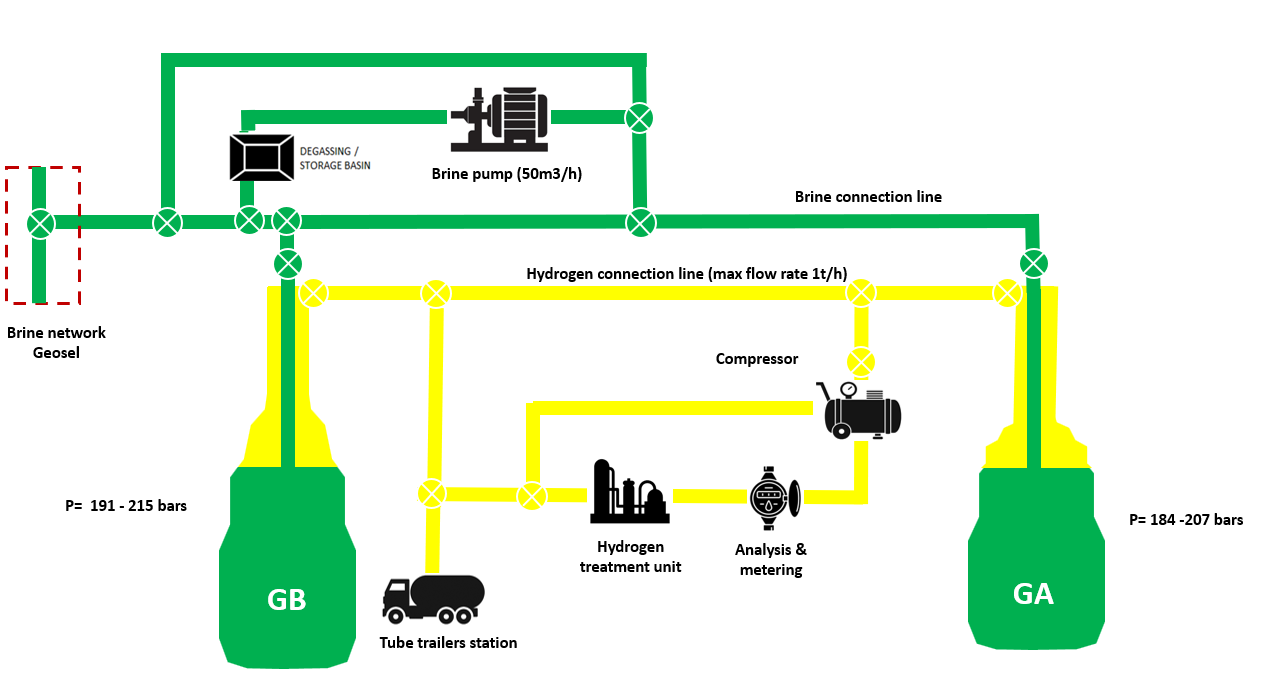
Figure 3 – Diagram of the FrHyGe demonstrator
Storgrhyn: subsurface exploration for new underground hydrogen storage sites
The Storgrhyn project comprises three Exclusive Exploration Licences (PERs) for underground salt formations suitable for hydrogen storage, held by Storengy. These PERs, situated in north-eastern France – a key hub of the future European backbone – enable Storengy’s teams to undertake exploration work to identify and characterise salt formations that could, in the long term, accommodate dedicated hydrogen storage capacity.
This project forms part of the early stages of developing hydrogen storage in salt cavities, a process that is particularly lengthy compared with other types of infrastructure. It is being carried out in consultation with local stakeholders and demonstrates Storengy’s commitment to being ready for the energy market of tomorrow.
Natural hydrogen: a new frontier in energy exploration
Natural hydrogen could provide an additional and competitive source of low-carbon hydrogen and contribute to energy transition targets. It is attracting growing interest worldwide, with research programmes and exploration projects on every continent, and particularly in France, where an assessment of its potential is set out in the National Low-Carbon Hydrogen Strategy.
Storengy is playing its part in this initiative with a dedicated research programme and two exploration projects in partnership with 45-8 Energy under the Marensin (Landes) and Grand Rieu (Pyrénées-Atlantiques) Exclusive Exploration Licences. Storengy is also carrying out exploration work in Morocco, near Casablanca.
The identification of the most promising areas relies on the PARHyS sensors for surface hydrogen measurement, developed by ENGIE’s Research and Innovation teams.
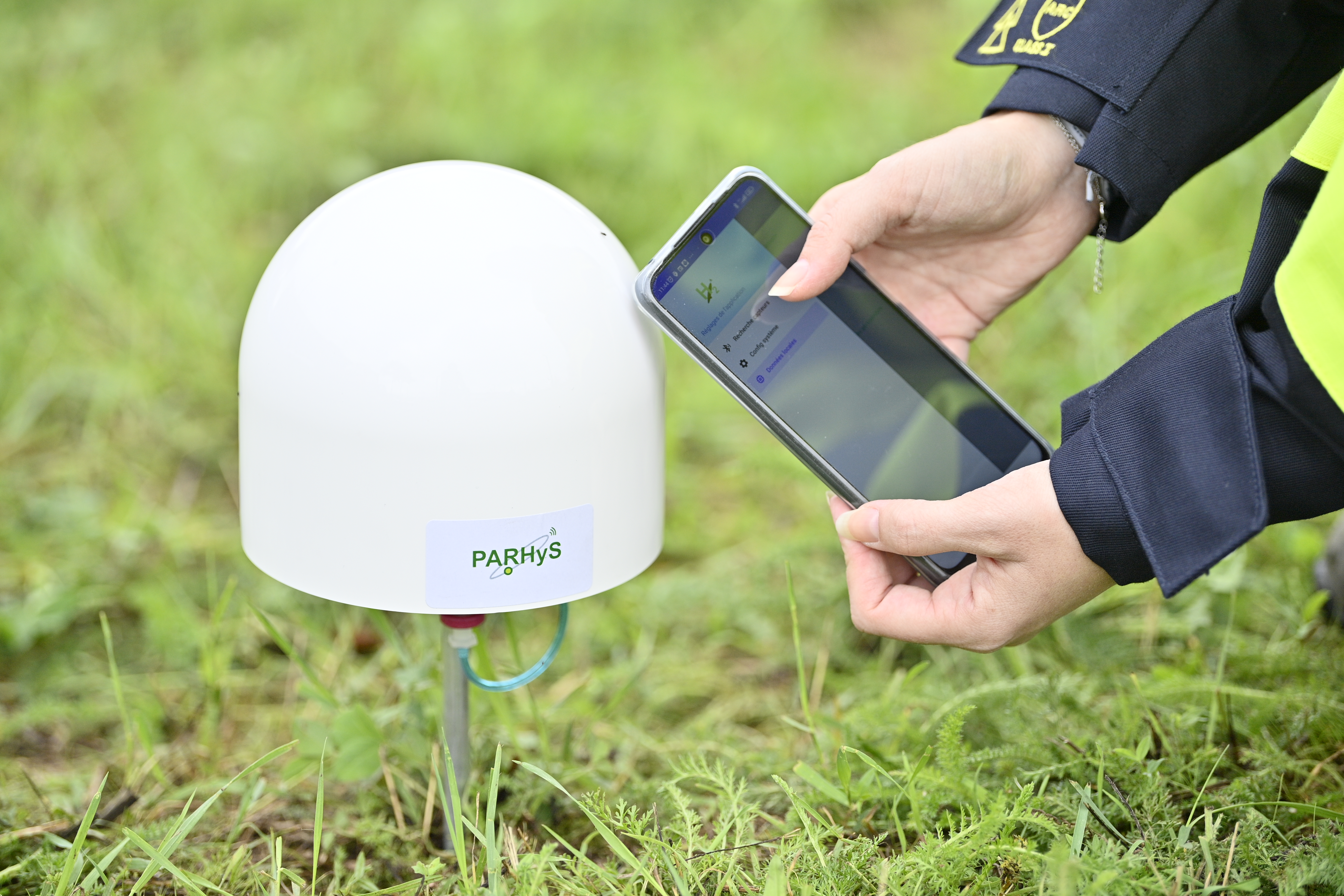
Figure 4 – PARHyS sensors
Storengy, a long-standing player in the development of underground resources in France
Since its inception, Storengy has explored France’s underground resources in order to design and operate underground storage facilities, which remain essential infrastructure for the energy system to this day. Its operational excellence and capacity for innovation have enabled it to continually adapt the performance of its assets to changes in the energy market.
Drawing on its expertise in geosciences and, more broadly, its know-how as an industrial operator, Storengy is now establishing itself as a pioneer in the development of the hydrogen sector. The company is involved in the first pilot projects for underground hydrogen storage and is at the forefront of assessing the potential of natural hydrogen.